
Fertility Acupuncture
in Freehold, NJ
Support for natural conception and IVF
Calm your body. Balance hormones. Improve outcomes.
- DAOM, LAc - Licensed & Board Certified
- 18+ Years of Experience
- Evidenced-Informed Patient-Focused Care
- Freehold, NJ - Serving Central New Jersey
The Fertility Journey Can Feel Overwhelming
Another month, another negative test. Watching friends announce pregnancies, dreading the holiday table questions. Being told to “just relax” by people who don’t understand what this journey takes from you. You’re not failing — you just haven’t had the right support yet.
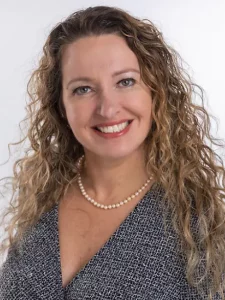
Expert Fertility Care You Can Trust
Dr. Yuliya Chernyak, DAOM, L.Ac. has more than 18 years of clinical experience helping patients through natural conception and IVF. She follows Debra Betts’ internationally recognized obstetric acupuncture protocols and creates personalized treatment plans tailored to each stage of your fertility journey.
Whether you’re trying to conceive naturally or preparing for embryo transfer, you’ll receive compassionate, evidence-informed care focused on supporting your reproductive health.
How Fertility Acupuncture Supports Conception
Acupuncture supports fertility by improving blood flow to the reproductive organs, helping regulate hormonal function, reducing stress, and creating a healthier environment for conception. Each treatment is personalized to your diagnosis and fertility goals, whether you’re trying to conceive naturally or preparing for IVF.
Cortisol & Fertility: The Connection
Chronic stress isn’t just uncomfortable — it’s biologically disruptive to conception. When cortisol stays elevated, it suppresses the estrogen surge your body needs to trigger ovulation and can thin the uterine lining, reducing the chances of successful implantation, according to a study on cortisol and ovulation in infertile women. The effect isn’t limited to conceiving — research tracking cortisol in early pregnancy found elevated levels were linked to nearly triple the risk of miscarriage compared to normal levels. For patients going through IVF, research tracking cortisol and anxiety during treatment has also connected higher cortisol levels with lower pregnancy rates across treatment cycles.
Acupuncture works directly on this pathway — calming the stress response and helping regulate cortisol, rather than targeting fertility symptoms in isolation. Addressing the stress side of the equation is a meaningful part of supporting your body’s readiness for conception.
IVF Acupuncture Support Through Every Stage of Your Cycle
Common Fertility Questions
How does acupuncture support your chances of conceiving?
Honestly — no one can promise acupuncture will cause a pregnancy on its own, and research on pregnancy rates specifically is genuinely mixed. What’s more consistently shown is that acupuncture lowers stress hormones like cortisol, improves blood flow to the ovaries and uterus, and supports the hormonal signals involved in ovulation and implantation — creating better conditions for conception, whether that happens naturally or through treatment. Think of it less as a guarantee and more as giving your body the best possible environment to do what it’s trying to do. It’s not a replacement for medical fertility care — it’s meant to work alongside it, supporting you through whatever path gets you there.
When should I start acupuncture before trying to conceive or starting IVF?
Ideally, about 3 months before you plan to conceive or begin an IVF cycle — mirroring the roughly 90 days it takes for an egg to mature from its earliest stage to ovulation, and the 72–74 days sperm need to fully develop. That timing gives treatment the chance to influence the egg or sperm your body is developing right now, for release months from now. If you’re closer to your cycle than that, don’t worry — starting later still offers real benefit, and it’s genuinely never too late to begin. We’ll build your plan around whatever timeline you’re actually working with.
How many acupuncture sessions will I actually need?
For general fertility support, most patients begin with sessions 1-2 times a week over about 3 months — the same window covered in the timing question above, aligned with your body’s natural egg and sperm development cycle. If you’re preparing for a specific IVF cycle, session frequency typically increases as you get closer to key dates — more detail on that timing is in the IVF Support section above. Every plan is adjusted to your specific situation, cycle, and how your body responds, so this is a starting framework, not a fixed prescription.
Is it too late to start if I'm already mid-IVF cycle?
No — while starting 3 months ahead is ideal, real benefit is still possible whenever you begin. Sessions during the stimulation phase, right before egg retrieval or embryo transfer, or even during the two-week wait can still help lower stress, support blood flow, and help your body respond to treatment. If you’ve already started your cycle, or you’re coming to this after a difficult round, it’s not too late to bring acupuncture into your plan — we’ll build a schedule around wherever you are right now, not where you wish you’d started.
Does acupuncture help with unexplained infertility?
Unexplained infertility can be one of the hardest diagnoses to sit with — not because nothing’s wrong, but because standard testing hasn’t found a specific cause to point to and treat. This is actually where acupuncture’s broader approach can genuinely help: instead of targeting one named condition, it works across several systems at once — lowering stress hormones, improving blood flow to the ovaries and uterus, and supporting the hormonal signaling involved in ovulation and implantation. For many patients with unexplained infertility, addressing these underlying factors is exactly the kind of support standard treatment alone doesn’t offer. It won’t diagnose what testing couldn’t find — but it can support your body more broadly while you continue working with your reproductive endocrinologist.
Does acupuncture help with male fertility too?
Yes — fertility is often treated as a women’s issue, but male factors contribute to roughly half of all infertility cases, and acupuncture can support this side of the equation directly. Research suggests it may help improve sperm count, motility, and morphology, largely by improving blood flow and lowering the stress hormones that can interfere with sperm production. As with fertility acupuncture generally, results vary and it’s not a guaranteed fix — but for couples navigating fertility challenges together, treating both partners’ health can meaningfully improve your overall chances. We welcome male patients as part of a couple’s fertility plan, not just as an afterthought.
Is acupuncture safe during early pregnancy or right after embryo transfer?
Yes — when performed by a practitioner trained specifically in fertility and pregnancy care. Certain acupuncture points are avoided or approached differently once pregnancy is confirmed, and treatment shifts from a fertility-support protocol to one focused on supporting early pregnancy and reducing miscarriage risk factors like stress and cortisol. This is exactly the kind of transition Debra Betts’ obstetric acupuncture protocols were developed for, and it’s the framework we follow once you get a positive result. If you’re continuing treatment after embryo transfer or into early pregnancy, your plan will be adjusted accordingly — not simply continued unchanged.
What does the research actually say about acupuncture and IVF success rates?
Here’s the honest picture: results are genuinely mixed. Some reviews of the research have found no significant increase in IVF pregnancy rates from acupuncture, while other studies — particularly those looking at acupuncture done on the day of embryo transfer — have reported meaningfully higher pregnancy rates. Neither side of that debate is settled science yet. What’s more consistently supported, across nearly all the research, is that acupuncture reduces the stress and anxiety that come with IVF, and helps patients better tolerate the physical and emotional demands of treatment — which matters both for your wellbeing during a hard process and, per some research, may itself be connected to outcomes through cortisol and stress hormone pathways. We won’t tell you acupuncture guarantees IVF success. We will tell you it gives your body real, evidence-supported support through the process.
What conditions does fertility acupuncture address, like PCOS or endometriosis?
Acupuncture is commonly used alongside medical treatment for both PCOS and endometriosis, though it approaches each differently. For PCOS, treatment focuses on regulating the hormonal imbalances that disrupt ovulation and supporting more consistent, predictable cycles. For endometriosis, the focus shifts toward reducing inflammation and pelvic pain, which can improve both day-to-day quality of life and the conditions your body needs for conception. It also supports women managing thyroid-related fertility issues, irregular cycles, or hormonal imbalances that don’t fit a specific diagnosis. As with every condition acupuncture addresses, it works alongside your OB-GYN or reproductive endocrinologist’s care — not as a replacement for the medical management these diagnoses require.
Should I continue acupuncture after I get pregnant?
Many patients choose to, and it’s entirely your call. Focus shifts as pregnancy progresses — early on, treatment supports the demands of the first trimester; later, sessions often address back pain, sleep, and general stress as your body changes. Some patients continue through all nine months; others taper off once the highest-risk early weeks have passed. There’s no single right answer here — this is simply an option available to you, for as long as it continues to help.